
The joint module the field has been building around
Motor, gearbox, and force-torque sensor in one sealed unit. Real-time impedance control SDK included. Five joint sizes, one connector spec, one API surface.
Teams lose 12–18 months before first locomotion test
Humanoid robot OEMs and university research labs building bipedal and quadrupedal platforms face a consistent hardware bottleneck before any meaningful locomotion work can begin.
Off-the-shelf industrial servo actuators deliver 30–50% lower torque density than humanoid joint requirements. They are not backdrivable at rated torque. They have no embedded force-torque sensing. Generic motion-control software has no built-in compliance or impedance control for bipedal dynamics.
The result: teams independently spend 12–18 months engineering custom actuator hardware before they can begin testing locomotion strategies. That timeline repeats across every new humanoid program, regardless of team experience or funding.
- Off-the-shelf industrial actuators lack the backdrivability required for safe human-robot interaction scenarios
- Generic motion-control software has no built-in compliance or impedance control for bipedal dynamics
- Hardware-software integration consumes most of a robotics team's engineering time before first locomotion test
- High torque density requirements at low weight force custom gearbox designs that delay prototyping by 6–12 months
From hardware receipt to first locomotion test
The Tendonkindle module handles the full actuator stack — mechanical, sensing, and control — so your team focuses on robot behavior from day one.
Physical integration
Mount Tendonkindle joint actuator modules to your robot frame using the standard bracket interface. Connect via EtherCAT real-time fieldbus or CAN FD for distributed joint networks. Load module specifications into the motion SDK via URDF import — the same URDF you use for MuJoCo simulation.
Embedded sensing and compliance
The embedded force-torque sensor streams sub-millisecond joint state data to the real-time impedance controller. The controller computes compliant torque commands and applies them via the brushless motor and strain-wave gearbox. The motion SDK handles joint-space trajectory planning, soft-stop collision detection, and hardware abstraction for ROS 2 or custom control loops.
Verified hardware, sim-to-real pipeline
The robot arm or leg joint executes smooth, compliant trajectories with closed-loop force control. Engineers receive verified hardware datasheets, MuJoCo URDF exports with calibrated motor models for sim-to-real training, and policy deployment APIs for reinforcement learning locomotion using PyTorch or JAX frameworks.
Six capabilities, one hardware platform
Every feature described here is validated on the same Gen 1 hardware currently shipping to evaluation partners.
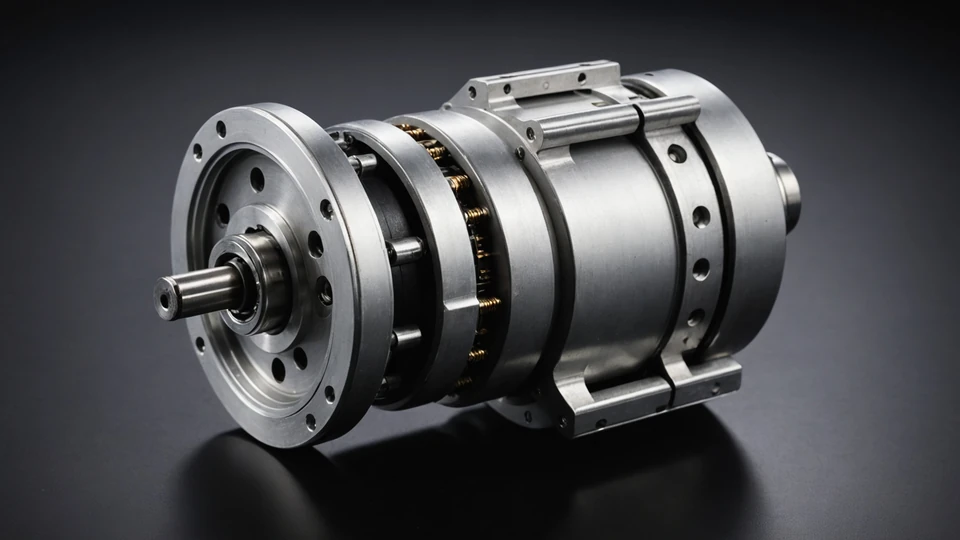
Motor, gearbox, and housing as a single sealed unit — 40–60% higher torque-to-weight ratio
Each Tendonkindle joint module integrates a high-efficiency brushless motor with a custom strain-wave gearbox in a single aerospace-grade aluminum housing. The result is a torque-to-weight ratio 40–60% higher than comparable off-the-shelf servo modules at the same joint diameter. Sealed to IP54, the module handles the shock loads and orientation changes of bipedal and quadrupedal locomotion without added protection hardware.
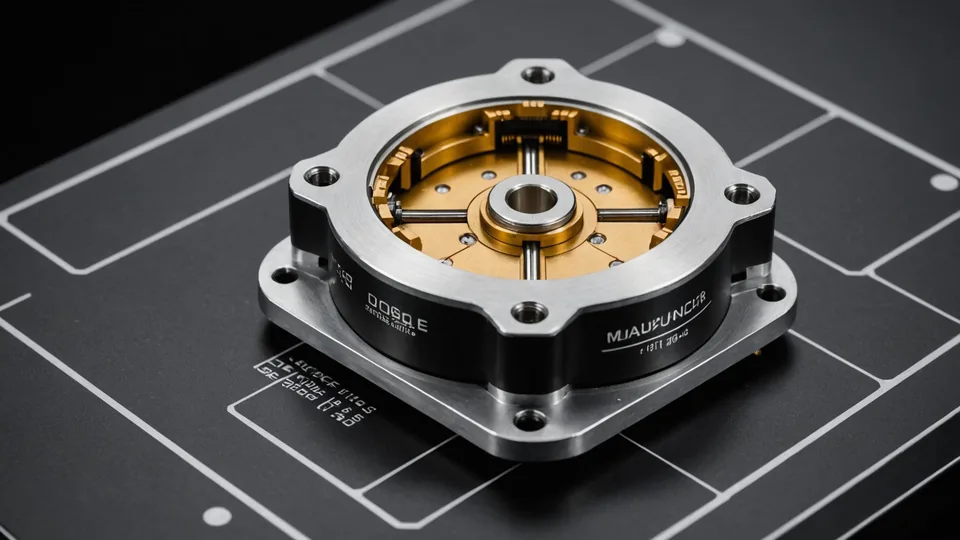
Six-axis joint force-torque data at sub-millisecond latency, built into every module
A custom six-axis force-torque sensor is embedded in each joint module and streams state data over SPI at sub-millisecond latency — no external load cell or wrist sensor required. This enables closed-loop impedance and contact detection natively in the actuator, removing an entire class of external wiring and calibration complexity from robot integration.
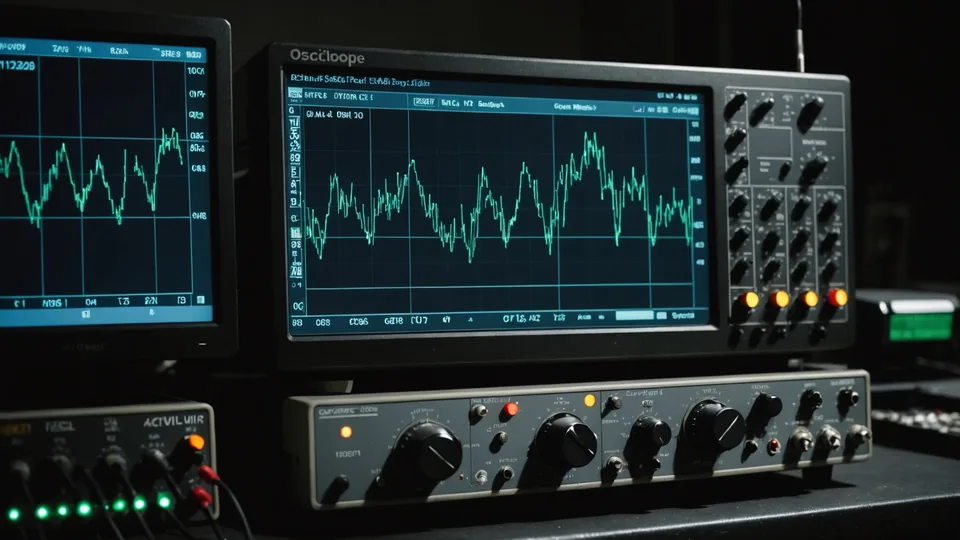
Real-time compliance, soft-stop, and trajectory primitives ready at first boot
The Tendonkindle motion SDK ships impedance and admittance control loops validated on production hardware. Engineers configure stiffness and damping parameters per joint, enable soft-stop boundaries for collision avoidance, and invoke joint-space trajectory primitives — all from a clean Python or C++ API. No re-implementing compliance from scratch on top of raw torque commands.
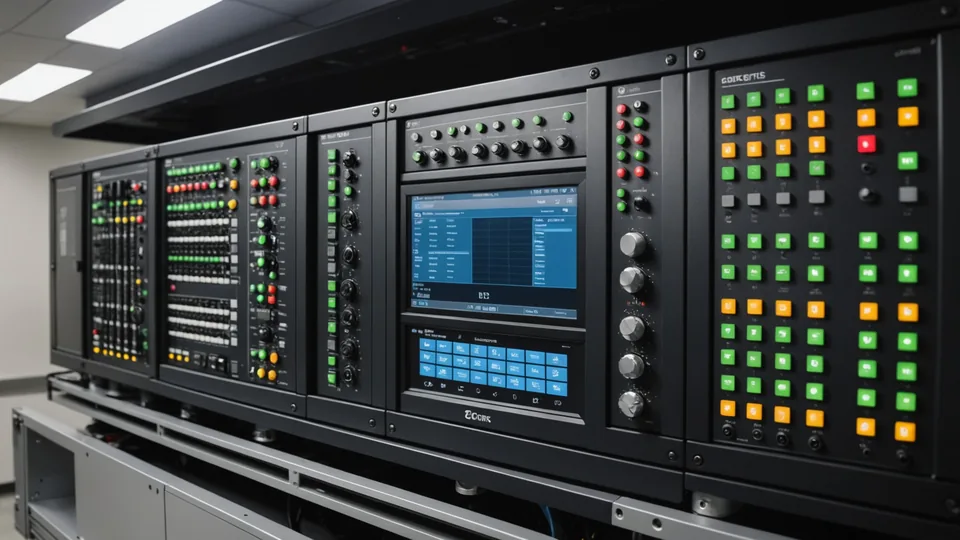
Works with any control stack via a clean hardware abstraction layer
The hardware abstraction layer exposes all joint state and command interfaces through a standard ROS 2 ros2_control plugin, with identical APIs available for teams running custom real-time loops. URDF definitions and motor model exports for MuJoCo are maintained alongside hardware revisions, so sim-to-real pipeline integrity is preserved across SDK updates.
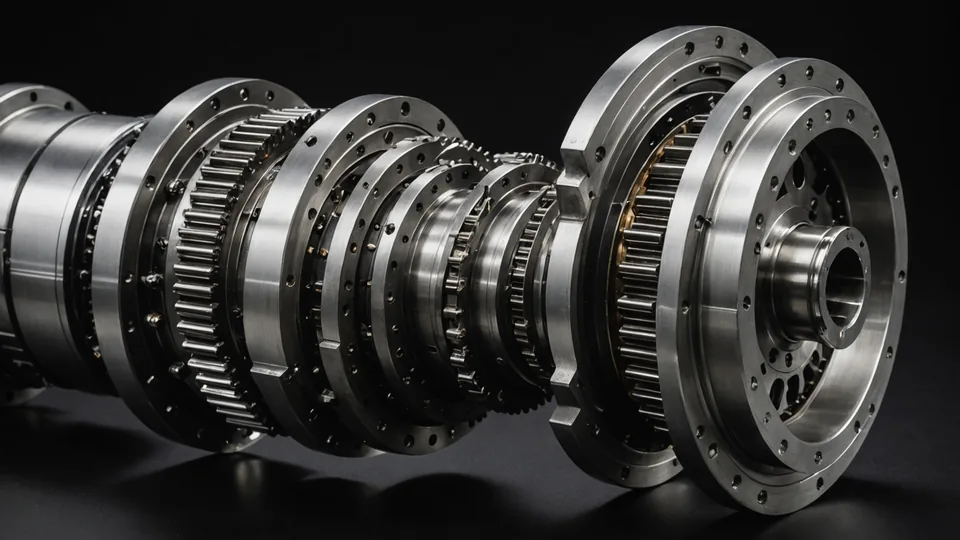
Compliance mode activates on over-force — safe for human proximity without software patches
Unlike traditional industrial gearboxes, the strain-wave reduction stage in every Tendonkindle module is backdrivable at rated torque. When the embedded force-torque sensor detects joint loading above a user-set threshold, the SDK automatically transitions into compliant torque mode — absorbing the overload without mechanical damage or abrupt stop events. This makes the platform suitable for human-proximity scenarios from day one.
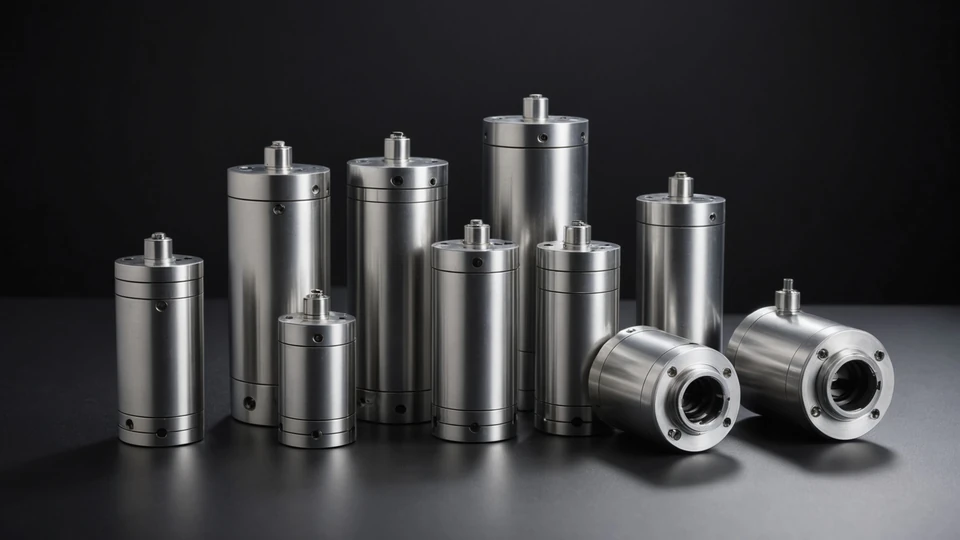
Five joint variants — ankle to shoulder — on one unified connector and power bus
Tendonkindle ships five joint module sizes targeting ankle, knee, hip, shoulder, and elbow torque and angular-velocity envelopes. All five variants share the same connector specification, power bus voltage range, and SDK communication protocol. Engineers can build a full bipedal kinematic chain using a single cable harness standard and one set of SDK initialization calls — no per-joint integration effort.
Built for teams building legged robots
Tendonkindle is designed for a specific class of engineering organization, not for general industrial automation.
Primary
Humanoid robotics teams and university research labs
Early-stage teams of 5–50 engineers building bipedal or quadrupedal platforms who need production-grade joint actuators without the 12-month custom hardware development cycle. US-based robotics startups and university labs (Carnegie Mellon, MIT, Stanford, CMU RI) building humanoid or legged platforms for locomotion research, human-robot interaction, or commercialization.
Secondary
Defense and aerospace programs — exoskeleton and teleoperation
Defense and aerospace prime contractors prototyping exoskeleton and teleoperation systems requiring compliant, backdrivable joint hardware. Programs where force-torque sensing, compliance, and human-proximity safety are design requirements, not afterthoughts. These programs typically operate on faster prototyping timelines than commercial humanoid and benefit from production-qualified actuator hardware available for hardware-in-loop evaluation.
Not For
Outside our scope
Large industrial automation OEMs needing high-volume commodity actuators for fixed-arm assembly lines. Consumer electronics companies needing micro-actuators below our torque-density envelope. Organizations outside the US requiring local hardware support and repair infrastructure. Teams at scale needing thousands of units — we are a pre-seed company with limited production capacity.
Works with your existing control stack
Tendonkindle modules and the motion SDK integrate with the robotics toolchain your team already uses.
Apply to receive Gen 1 evaluation hardware
Qualified robotics teams receive evaluation units with full SDK access, hardware datasheets, MuJoCo motor model exports, and hardware-in-loop engineering support.
Apply for Evaluation